



Tension lives in the jaw. Releasing it changes everything below it.
Duration: 2 min | Modality: Touch and breath | Mood: Confident
How to practice
1. Sit or stand. Close your mouth and notice where your teeth are. Most people hold them lightly touching or clenched. Let them separate.
2. Let your mouth fall slightly open. Tongue resting gently on the floor of the mouth, not pressed against anything.
3. Place two fingertips on each side of your jaw, at the joint just in front of your ears. Apply gentle circular pressure. Work slowly in one direction for thirty seconds, then reverse.
4. Open your mouth wide, hold for three seconds, then let it fall closed. Repeat five times.
5. Finish by placing your palms flat against your cheeks, jaw resting in your hands. Hold for thirty seconds. Breathe out through the nose slowly.

Why this works
The masseter muscle (the muscle that closes the jaw) is directly connected to the sympathetic nervous system stress response. When we are stressed or uncertain, we clench. Most people do not notice they are doing it until it causes headaches or jaw pain.
Consciously releasing the jaw interrupts this holding pattern and sends a message through the trigeminal nerve that safety has returned. It also opens the throat, which supports clearer breathing and often a clearer, more resonant voice -both of which contribute to the felt sense of confidence and presence.
Resources
Inspiration
Jaw tension is one of the most common and least discussed forms of physical stress storage. In somatic therapy, the jaw is recognized as a primary site of unexpressed emotion - particularly things that have not been said. The act of deliberately opening and releasing the jaw has been used in breathwork and somatic practices as a way to access this stored tension and allow the body to complete what the mind has been holding.
This practice is a simplified, accessible version of jaw release work that can be done in two minutes without any background in somatic therapy. The fingertip pressure at the joint is based on standard myofascial release principles applied to the temporomandibular joint.
Helpful tools
• A mirror for the first few sessions, to help you notice how much habitual tension you are holding before you begin
• Warm water to drink after - jaw release often produces mild thirst as the muscles relax
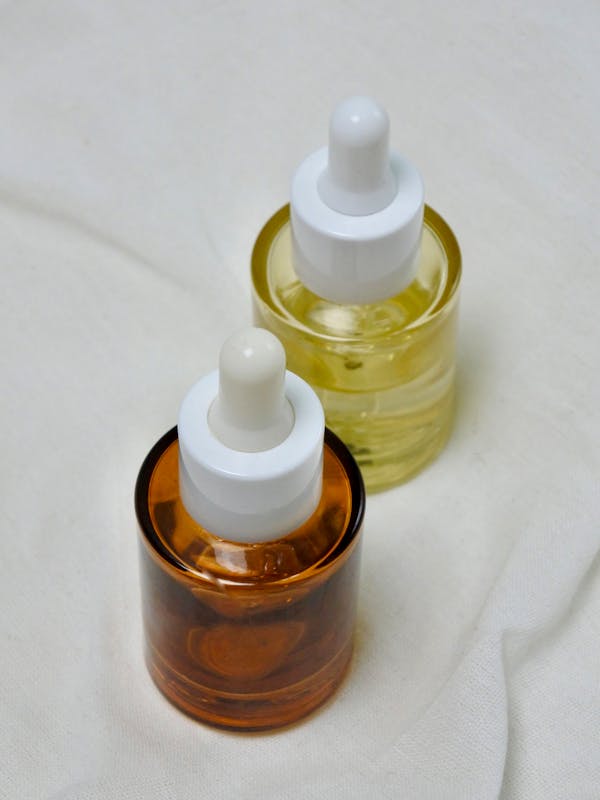
• Amrit Face & Body Oil -the press gesture at step five pairs naturally with the Skin Press practice, and the two can be combined for a longer three-minute reset when time allows
When to use this
When you notice tightness in your face, neck, or head. Before speaking in public. After a long day of concentration that has left your head feeling compressed. Any time your voice feels tight or small.
FAQ
I did not realize I clench my jaw until I tried this. Is that common?
Very. Jaw clenching is one of the most prevalent unconscious stress responses, and most people are unaware they do it until it causes a headache or a dentist notices tooth wear. The simple act of checking in with your jaw several times a day - and deliberately separating the teeth each time - is one of the highest-return habits in stress management.
Can this help with headaches?
Tension headaches that originate at the temples or behind the eyes are frequently caused or worsened by jaw and masseter tension. Releasing the jaw is not a treatment for headaches, but it can reduce the tension that contributes to them. If headaches are frequent, raise this with a healthcare professional.



Join the conversation
Be the first to share your thoughts.